Essays & Reviews

Harry V. Jaffa: Can There Be Another Winston Churchill?

Jaffa references several of Churchill’s well-known major works on strategy and history (some of which were also autobiographical in nature): The Second World War, of course, as well as The World Crisis (covering World War I and its aftermath) and the biography of his ancestor, the Duke of Marlborough.  The latter two works are important not only for the topics at hand but because they were written between the two wars and reflect upon the great question, or theme, with which Churchill was then grappling, and which makes sense of his approach to politics and war as a whole. Is the scale of life in the modern world too large for human virtue to control?
Read More
Essays & Reviews

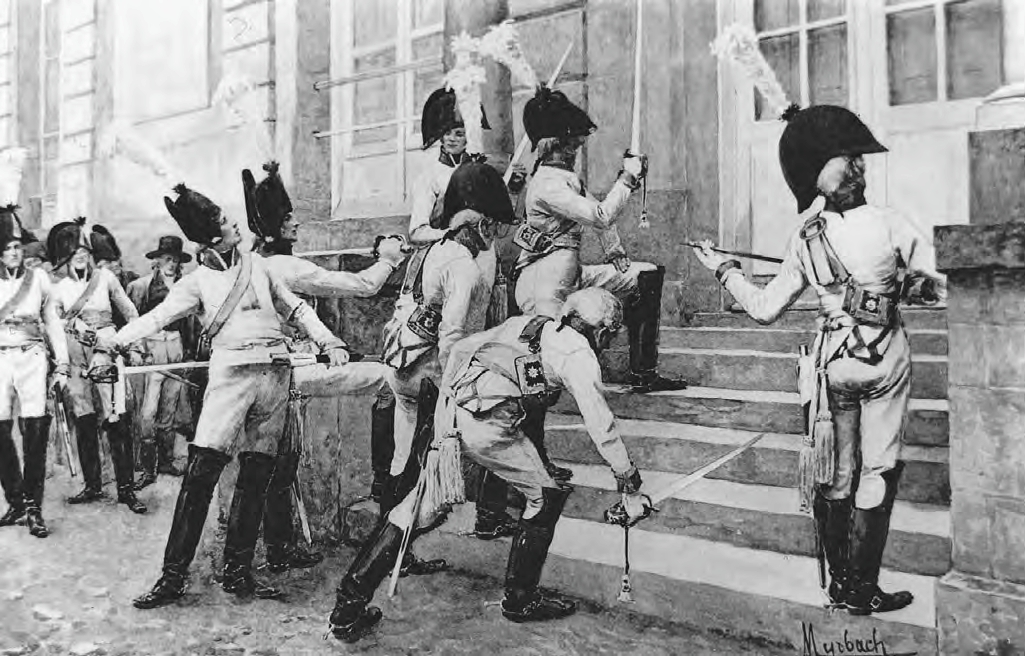
Jakub Grygiel on the Two Princes

As a young man, before assuming the throne, Frederick the Great of Prussia famously wrote a tract, Anti-Machiavel, attacking Machiavelli’s teachings in The Prince. Frederick did so ostensibly under the influence of the nascent Enlightenment (and in the spirit of enlightened absolutism), but his later conduct of foreign policy, particularly his grab of Silesia, struck many as being rather more in the spirit of Machiavelli. Either that, or the Enlightenment misunderstood itself.

Read More
Essays & Reviews

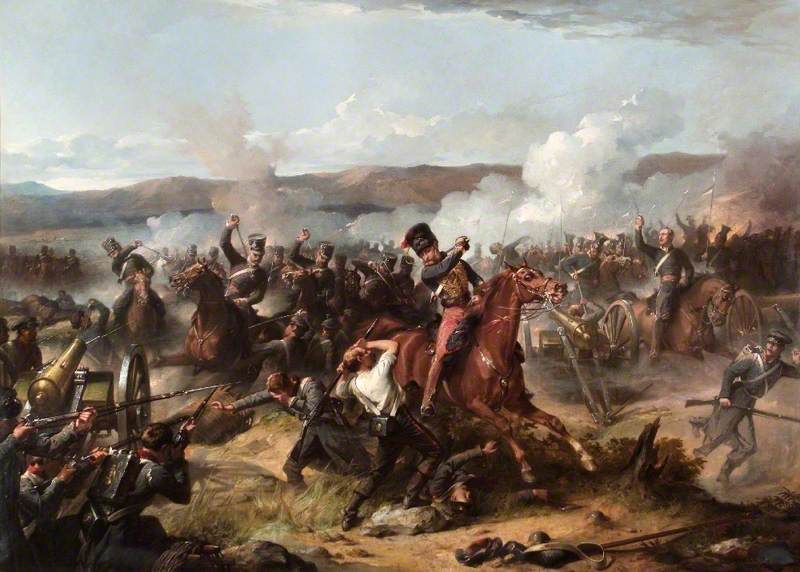
Journalistic Classics of the Crimean War: Tolstoy and William Russell

In the Western media’s analyses of Russia’s recent moves in the Crimea, the historical context of great-power conflict over the region is often overlooked, including that of the Crimean War (1854-1856).  It is often said that the Crimean War – generally known in Russia as the Eastern War – constituted the first modern conflict, as it clearly foreshadowed the military developments that characterized the following century and beyond (most immediately, the American Civil War). These elements included the employment of railroads and steam-powered naval vessels for the transportation of troops and supplies (including the first appearance of iron-clad vessels, for bombardment), modern rifles, and telegraphic communications. It is known in popular imagination, if at all, for the charge of the Light Brigade and the British-French siege of Russian troops in the Crimean port city of Sevastopol (Sebastopol).

Read More
Essays & Reviews

Executive Authority and the Constitution: Reflections by Owens and Knott

Mackubin T. Owens and Stephen Knott have published a monograph in the Foreign Policy Research Institute’s Philadelphia Paper series, The Evolution of the Executive and Executive Power in the American Republic.  They consider the role that a republican executive has, and ought, to play in domestic affairs – (what James Ceaser terms “the zone of law”), as compared to that concerning foreign and defense policy (a “zone of ‘high’ discretion”). They trace the evolution of thinking about the executive, from Machiavelli through Hobbes, Locke, Montesquieu, and the American Founders, following Harvey Mansfield’s Taming the Prince: The Ambivalence of Modern Executive Power

Read More
Essays & Reviews

Dwight Eisenhower, Monuments Man

Are high-level military strategists born or made?  Some of both, one must suppose. Strategic excellence means something more than the proficiency to win battles and conduct successful military operations, but to win wars. Winning wars, in turn, means something more than being able to defeat an adversary’s armed forces and/or occupying its territory. Which means that Army officers (in this case) must not only be able to coordinate operations with those of the other services, but also take into account the overarching political and geopolitical components of the conflict (or potential conflict).

Read More
Essays & Reviews

David Tucker on the Classic Dimensions of Strategy and Intelligence

David Tucker (Ashbrook Center, Ashland University) has published a book, The End of Intelligence: Espionage and State Power in the Information Age, in the Stanford Security Series (Stanford University Press). To a first order, the book examines – and finds wanting – claims that the recent information revolution has weakened the state, revolutionized warfare, or changed the balance of power between states and non-state actors. It can be read at several different levels: as a primer, or refresher, on the various dimensions of intelligence (e.g., collection, analysis, espionage, counterintelligence, and covert action); as high-level exploration of the relationship among philosophies of government and human nature, historical eras, and various approaches to the means and ends of intelligence; and for its considered judgment of the possibilities, and particularly the limitations, of intelligence.

Read More
Essays & Reviews

Of Geography and Politics

If statesmanship or the political art is synonymous with the art of war or the art of acquisition on the grandest scale, then mastery of geography becomes "the first part" of the statesman's arsenal. "[H]e should learn the nature of sites, and recognize how mountains rise, how valleys open up, how plains lie, and understand the nature of rivers and marshes—and in this invest the greatest care.… And the prince who lacks this skill lacks the first part of what a captain must have." If the "desire to acquire" or the "lust for power" is inherently unlimited and is the governing principle of politics, then the primary concern of politics with geography, the concern with acquisition of territory, in principle knows no bounds. The concern of politics with geography, at a certain point in history, expanded its scope, not just in principle but in fact, to encompass the world.

Read More
Essays & Reviews

On Strategic Thinking: Patterns in Modern History

It is precisely during the historical lulls, the quiet backwaters, that the most thinking about strategy should be done—by officers and by political leaders, both serving or aspiring to service. Nor are democracy's other citizens free to ignore defense and foreign affairs; they too might attend to Kipling's poem of warning. Thinking about strategy in peacetime is even more vital than material preparation, though both are vital. Because when war comes, it may be too late. During war, it may be too difficult. In defeat, it will be of no use.

Read More
Essays & Reviews

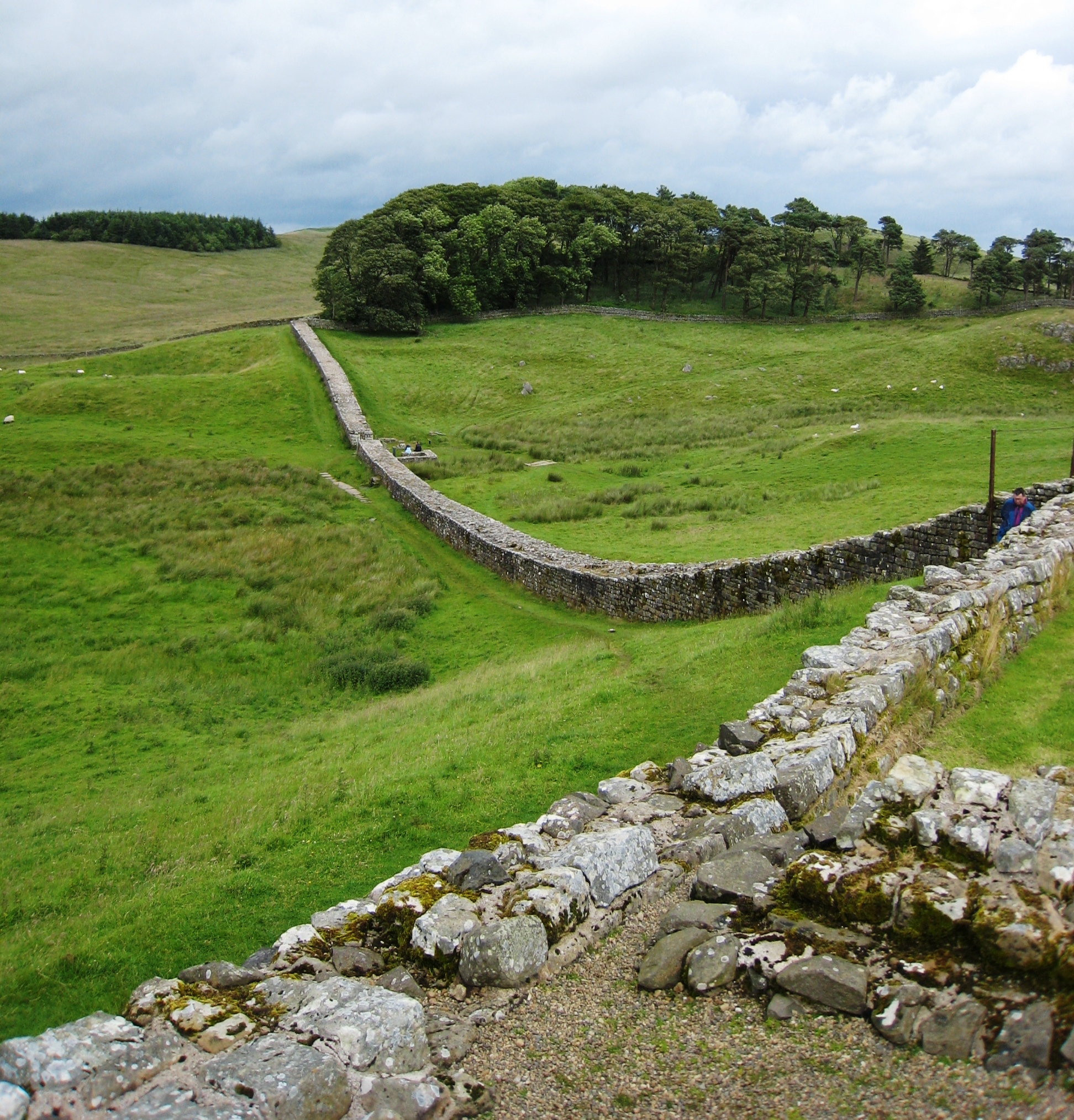
The Grand Strategy of the Roman Empire from the First Century A.D. to the Third by Edward N. Luttwak

The Romans understood that, when possible, it was best to conserve force and use military power indirectly as the instrument of political warfare. Together with money and manipulative diplomacy, the Romans deployed forces visibly ready to fight but held back from battle to foster disunity among those who might jointly threaten the empire, to deter those who would otherwise attack, and to control lands and peoples by intimidation – ideally to the point where sufficient security or even an effective domination could be achieved without any use of force at all. The Romans learned that most desirable use of military power was not military at all, but political. They conquered the entire Hellenistic world with few battles and much coercive diplomacy. The Romans understood all the subtleties of deterrence, and its limitations.

Read More
American Classics

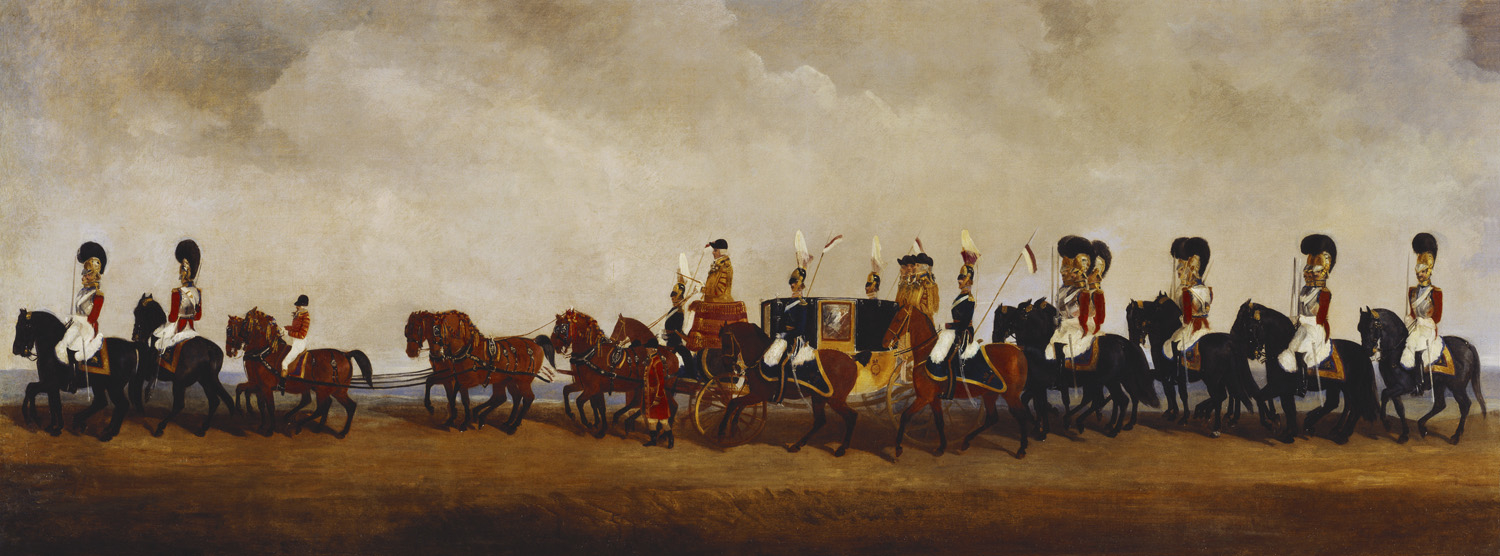
Richard Rush, Memoranda of a Residence at the Court of London (1833)

While serving as Minister to England from 1817-1825, Rush kept a journal that became the basis for his diplomatic memoirs, Memoranda of a Residence at the Court of London (covering the years 1818-9; originally published in 1833); and the less comprehensive second volume, A Residence at the Court of London, Comprising Incidents, Official and Personal, from 1819 to 1825, published in 1845. A third edition, edited by his son, Benjamin, which included an account of his time as Minister to France during the Revolutions of 1848, was issued in 1872. In part to avoid diplomatic complications that might result from his unvarnished views, Rush edited the journals to smooth out the rough edges and added explanatory material to bring the narrative context up to date. Rush and his son made it clear that one of the principal purposes in publishing these memoirs was to improve Anglo-American relations.

Read More